Prepaid eSIM Plans Made Simple Your Guide to Instant Connectivity
Few travelers realize they can set up a prepaid eSIM before ever boarding a plane, skipping the hunt for a physical SIM card at their destination. It’s a digital profile you download directly to a compatible phone, allowing you to purchase a data plan—often at local rates—without juggling tiny cards. Activation simply requires scanning a QR code or using an app, making it a Singapore eSIM seamless plug-and-play solution for staying connected globally.
Understanding the Shift to Digital Mobile Plans
Understanding the shift to digital mobile plans centers on the move from physical SIM cards to embedded profiles. For a prepaid eSIM, this means you purchase and activate a plan entirely online, downloading the profile directly to your device without waiting for a plastic card. The core advantage is immediate flexibility: you can load a prepaid eSIM for a single trip or a month, then delete it. A critical question is: How do I switch prepaid eSIMs without losing my number? You don’t; prepaid eSIMs generally link to a data credit, not a number, so you simply deactivate the old profile and scan a new QR code for a different provider’s plan.
How Embedded SIM Technology Eliminates Physical Cards
Embedded SIM technology replaces the physical plastic card with a permanent, soldered chip inside the device. This eliminates the need to handle, store, or swap a tangible SIM when activating a prepaid plan. Instead, users download a digital profile directly, bypassing the logistics of card distribution. The process removes the physical dependency entirely: no waiting for mail, no lost cards, and no tray removal. For prepaid eSIM, this means instant profile switching without hardware manipulation. The chip’s rewritable memory allows remote overwriting of carrier credentials, making card extraction obsolete.
| Physical SIM | eSIM (Embedded) |
| Requires insertion/removal | No physical interaction needed |
| Card can be lost or damaged | Chip is fixed and durable |
| Swapping requires a new card | Profile is downloaded online |
Key Differences Between Traditional SIMs and Modern eSIM Profiles
Traditional SIMs are physical plastic chips that must be inserted into a device tray, whereas modern eSIM profiles are fully digital and downloaded directly onto the device’s embedded chip. For prepaid eSIM users, this eliminates the need to wait for mail or visit a store; activation happens instantly via a QR code or app. Remote provisioning allows switching between multiple prepaid eSIM profiles without physically swapping cards, which is impossible with a traditional SIM. The same device can hold several active profiles, yet only one can be used for cellular data at a time. Traditional SIMs lock a user to one carrier per card, while eSIMs enable simple profile deletion or re-download for travel or temporary plans.

Essential Benefits of Choosing Pay-As-You-Go eSIM
The essential benefit of choosing a Pay-As-You-Go eSIM is total financial control, as you only pay for the data you actually consume with no monthly commitments. This prepaid model eliminates surprise bills and allows instant top-ups through a simple app, making it ideal for travelers who need flexible, short-term connectivity. Unlike traditional roaming charges, you can select a local data pack directly on your device, avoiding physical SIM swaps entirely. For frequent trips, having a prepaid profile ready to activate ensures immediate access upon landing, bypassing airport kiosk queues. However, the real appeal lies in the ability to switch plans mid-trip without penalty, adapting your data allowance precisely to changing usage patterns.
Instant Activation and Remote Installation Features
Instant activation eliminates physical SIM delivery delays, enabling immediate connectivity upon purchase via a downloadable QR code or app-based profile push. Remote installation features allow users to install their prepaid eSIM onto a compatible device from anywhere, provided an internet connection exists. The process typically follows a clear sequence:
- Purchase the eSIM plan online through the provider’s portal.
- Receive a QR code or activation link via email or app notification.
- Scan the QR code or tap the link to install the eSIM profile onto the device.
This workflow ensures the prepaid eSIM is active within minutes, without requiring a store visit or manual SIM swapping.
Cost Control Without Long-Term Commitments
With a prepaid eSIM, you achieve precise cost control by **eliminating carrier contracts** and their hidden fees. You only pay for data when you need it, avoiding monthly bills for unused services. This flexibility lets you set a strict travel budget, top up only the exact gigabytes required, and pause usage entirely without penalty. You never face surprise charges or reactivation costs, making financial planning utterly transparent.
Prepaid eSIMs give you total command over spending, with zero financial obligation beyond your immediate data purchase.
Dual-SIM Flexibility for Frequent Travelers
For frequent travelers, seamless dual-SIM connectivity transforms a prepaid eSIM into an essential tool. You keep your home number active for banking and calls while instantly adding a local data plan via a simple eSIM profile. No swapping plastic SIMs, no carrying a second phone. This flexibility lets you compare and switch carriers on the fly in each destination, avoiding roaming charges without losing access to two separate networks. It empowers you to control costs and stay reachable globally, all from one device, making every trip smoother and more efficient.
Global Connectivity Without Roaming Surprises

Global Connectivity Without Roaming Surprises means using a prepaid eSIM to bypass unpredictable carrier fees and local SIM swaps. You purchase a data plan before departure, install the digital profile instantly, and connect the moment you land at a local network rate. This eliminates bill shock because costs are fixed upfront, with no daily roaming charges or hidden taxes. A single eSIM can hold multiple profiles for different regions, so switching countries requires no physical card removal.
Your connectivity remains predictable because you control exactly how much data you consume and when it expires, rather than receiving a retrospective roaming bill.
Network selection is automatic, ensuring you always stay on the strongest available signal without manual carrier hunting.
Regional Plans vs. Worldwide Data Packages
When choosing between a Regional Plan and a Worldwide Data Package for your prepaid eSIM, the decision hinges on your actual travel route. A Regional Plan zeroes in on a specific continent or country cluster, like Europe or Southeast Asia, offering faster speeds and lower costs because it uses local network partners. In contrast, a Worldwide Package blankets the globe but often throttles speeds and carries higher per-GB prices. For budget-conscious travelers visiting a single region, regional prepaid eSIM value wins. However, if you hop between continents rapidly—say, Tokyo to London to New York—the convenience of a Worldwide Package outweighs the cost premium. Follow this sequence:
- Map your entire trip to count the distinct countries.
- If staying within one region, buy a Regional Plan.
- If crossing three or more continents, choose a Worldwide Data Package.
Local Network Access for Better Coverage
A prepaid eSIM grants direct local network access by switching your device onto a regional carrier’s towers the moment you arrive. Instead of relying on a single international partner with patchy coverage, you tap into the strongest local cell signals in each area. This drastically reduces dead zones in rural or indoor spaces where a roaming hub might fail. The result is a connection that behaves exactly like a local SIM, only without the physical swap. For areas with historically weak roaming, this access ensures your data plan works where you need it most. Q: Does local network access guarantee coverage everywhere immediately? A: It connects to whichever local carrier has the strongest signal at your location, so coverage improves in most metro and regional zones regardless of the original roaming agreement.
Avoiding Hidden Fees with Transparent Billing
A core advantage of prepaid eSIMs is transparent prepaid billing, which eliminates surprise charges by setting a fixed upfront cost for data. Unlike postpaid roaming, where complex rate structures apply once you cross borders, every gigabyte and service is paid for before use. Even within this model, vigilance is required, as some operators deduct from a main balance for smaller actions like SMS, rather than a dedicated data allowance. To avoid hidden fees, always verify the inclusive services—such as unlimited calls or specific regional coverage zones—during checkout. Review the provider’s clear breakdown of “what you pay” versus “what you get” to ensure no supplementary charges can trigger later.
Selecting the Right Provider for Your Needs
When you’re hunting for a prepaid eSIM, picking the right provider means matching their coverage to where you actually travel—not just where they advertise. I once chose a global plan for a remote mountain trip, only to find it relied on a single local tower that barely worked above the treeline. The key is to read fine print: some providers throttle speeds after a tiny data cap, which killed my ability to stream route maps. A short inline Q&A about selecting the right provider for your needs—*Q: How do I avoid surprise dead zones? A: Check that their prepaid eSIM uses a primary network in your specific destination, not roaming on a budget carrier.* Then, consider whether you need flexibility: a 30-day plan with auto-refill saved me when my work trip extended, while a fixed 7-day option stranded a friend who needed just two extra days. Always confirm customer support hours, because a chatbot at 2 AM won’t help if activation fails.
Comparing Data Tiers, Speed, and Validity Periods
When comparing prepaid eSIM plans, data tiers usually range from light 1GB packs to unlimited daily allotments, so match the tier to your actual usage—gaming chews through data, while maps barely sip it. Speed matters because some providers cap you at 4G LTE, while others offer 5G access for the same price; check the fine print for “high-speed” caps. Validity periods can be as short as 7 days or stretch to 90, so pick one that covers your trip without paying for unused days.
Checking Device Compatibility Across Brands
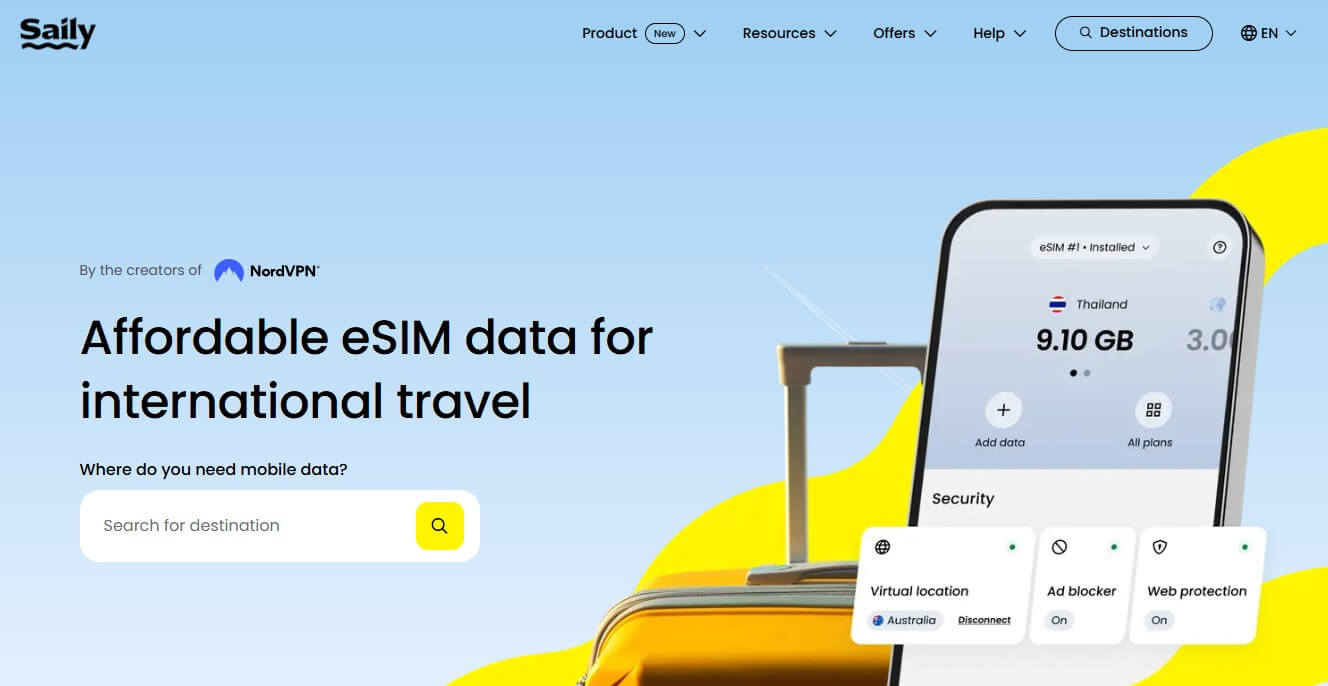
When selecting a prepaid eSIM provider, checking device compatibility across brands is a non-negotiable first step. Your smartphone must be carrier-unlocked for eSIM activation, regardless of manufacturer. Apple iPhones (XR and newer) generally support eSIM, but Chinese-market models often lack it. Google Pixel devices from the Pixel 3 onward typically work, while Samsung Galaxy S20 and later units are compatible, though US carrier-locked models may fail. Many budget Android brands omit eSIM entirely or restrict it to specific regional variants.
- Verify your device’s IMEI on the provider’s official compatibility checker
- Ensure your phone is not locked to a previous carrier (sim-lock block)
- Check whether your device supports dual SIM (physical + eSIM) if you need two lines
User Reviews and Customer Support Reliability
When choosing a prepaid eSIM, scrutinize user reviews on platforms like Reddit or Trustpilot for patterns about customer support reliability. Look for consistent praise or complaints about response times and issue resolution, not just general satisfaction. A provider with rapid, helpful support is worth the premium. Q: How can I verify a provider’s support reliability before buying? A: Check recent reviews specifically mentioning live chat or email wait times; avoid providers where such feedback is scarce or negative. This direct evidence matters more than marketing promises.
Step-by-Step Setup Process
Begin the step-by-step setup process by purchasing a prepaid eSIM plan from a provider, receiving a QR code or activation code via email. Install this by scanning the QR code from your phone’s settings under “Add Cellular Plan.” After scanning, label the eSIM clearly (e.g., “Travel Data”) to avoid confusion. Next, ensure your primary physical SIM is disabled for data to direct traffic to the new prepaid line. Finally, restart your device to activate the network connection.
Activating a prepaid eSIM directly from your settings eliminates physical SIM swaps, making setup instantaneous and entirely digital.
This entire process, from scan to data usage, takes under five minutes when followed sequentially.
Scanning QR Codes or Downloading Profile Apps
After purchasing a prepaid eSIM, obtain your activation details. For most carriers, you simply scan a QR code sent via email or displayed on your provider’s app. This code automatically installs the eSIM profile onto your device. Alternatively, some providers require you to download the carrier’s profile app, which handles the installation directly after you log in. Ensure your device has a stable internet connection during this step. Once the profile is added, follow any on-screen prompts to set it as your primary data line.
Managing Multiple eSIM Profiles on One Device
Once your prepaid eSIM is installed, the real power of managing multiple eSIM profiles emerges. In your device settings, label each profile clearly (e.g., “Travel Japan” or “Work Data”) to avoid confusion. You can toggle between them instantly, designating one for data and another for calls. For prepaid plans, keep the inactive profile enabled but turned off—this preserves your balance until you need it. Most phones let you set a primary data line, allowing a second prepaid eSIM to sit idle without interrupting your main connection.
Q: Can I use two prepaid eSIMs from different providers simultaneously?
A: Yes, but only one can provide data at a time. However, you can receive calls on both if your device supports Dual SIM Dual Standby (DSDS).
Troubleshooting Common Activation Issues
When your prepaid eSIM won’t activate, first confirm you’re connected to Wi-Fi and that your device is unlocked. A common hiccup is forgetting to manually add the eSIM profile from your provider’s email or app. If the QR code fails, try entering the details manually. For persistent issues, follow these steps:
- Toggle Airplane Mode on and off to refresh the network.
- Restart your phone completely.
- Double-check that your prepaid plan has been paid for and isn’t pending.
If the profile is installed but you still see “No Service,” ensure your phone’s data roaming is turned on for that specific line. Most activation hiccups are solved with a simple reboot or profile reinstall from your provider’s app.
Privacy and Security Considerations
Prepaid eSIMs enhance privacy and security by eliminating physical SIM swapping, a common vector for account takeovers. Their remote activation means no personal credit check or home address is required for purchase, allowing you to maintain anonymity. Since the eSIM profile is encrypted and stored on the device’s secure element, it resists cloning more effectively than traditional removable cards. For security, you can instantly delete a prepaid eSIM profile if a device is lost, preventing unauthorized network access. Crucially, these eSIMs do not inherently back up your data to carrier cloud services, giving you direct control over your digital footprint and reducing exposure to third-party breaches.
Encryption Standards for Digital SIM Data
When using a prepaid eSIM, your digital SIM data—including operator credentials and authentication keys—is secured by robust end-to-end encryption standards during both storage and transmission. These standards, such as AES-256 for data at rest and TLS 1.3 for remote provisioning, ensure that your profile cannot be intercepted or cloned by malicious actors. Crucially, the encryption occurs at the chip level within the eSIM’s secure element, meaning your identity data remains decoupled from your device’s main operating system.
- AES-256 encrypts the eSIM profile on the device’s secure element to prevent unauthorized extraction.
- TLS 1.3 protects the download and activation process from eavesdropping.
- Unique cryptographic keys per eSIM ensure each prepaid profile is isolated from others.
Remote Wipe Capabilities for Lost Devices
A lost device with a prepaid eSIM isn’t just a hardware problem; it’s a data breach waiting to happen. Activating remote wipe capabilities instantly erases the eSIM profile and all associated local data, severing the device’s connection to your cellular plan and cloud services. This prevents a thief from using your prepaid balance or accessing stored credentials. Many prepaid eSIM providers offer a portal or app to trigger a wipe remotely, often within minutes of reporting the loss. For robust protection:
- Verify your provider supports eSIM profile deletion as part of their remote wipe tool.
- Always test the wipe function on a spare device before a real emergency.
- Ensure your device’s operating system lock screen doesn’t block the remote wipe command.
- Keep a physical record of your eSIM activation code to re-download a new profile after a wipe.
Keeping Personal Information Off Physical Cards
With a prepaid eSIM, your personal info never gets printed on a physical card that can be dropped, stolen, or photographed. Traditional SIMs often display your number or account details, but eSIMs keep that data locked inside your phone’s secure chip. Eliminating physical exposure of personal data means a lost wallet won’t hand over your mobile identity. You simply download the profile via QR code or app, and all registration details stay invisible to prying eyes. No peeling off stickers, no scratched-off PINs—just an extra layer of privacy by default.
Future Trends in Flexible Mobile Services
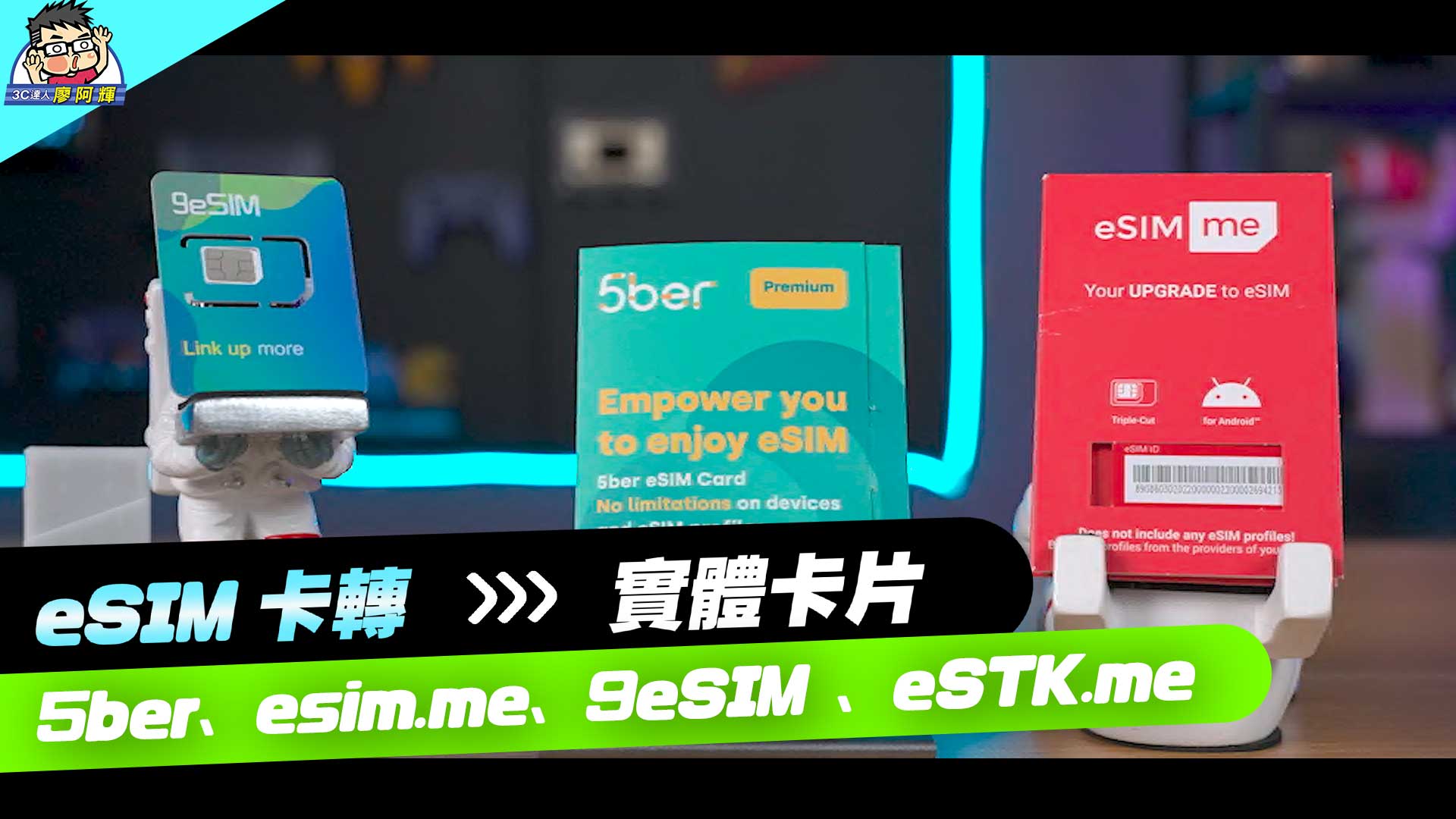
Future trends in flexible mobile services will see prepaid eSIMs evolve into real-time resource marketplaces, allowing users to instantly buy, sell, or donate unused data to peers. Expect AI-driven subscription stacking, where your device automatically activates a local prepaid eSIM for travel while pausing your home plan. This seamless, context-aware switching will make the concept of a single “network provider” largely obsolete. Prepaid eSIMs will also enable temporary “data-only lifelines” for specific apps, like paying only for streaming navigation while leaving other services dormant, giving unprecedented granular control over connectivity costs.
Integration with IoT and Wearable Tech
Prepaid eSIMs are the backbone of seamless IoT and wearable connectivity, eliminating the need for physical SIM swaps in devices like smartwatches, fitness trackers, and smart glasses. Users gain instant, independent data plans for their wearables without tethering to a smartphone. The practical activation sequence is clear:
- Scan a QR code or download a profile directly onto the wearable’s screen.
- Select a prepaid data package tailored to low-power, always-on sensors.
- Enable real-time health monitoring, GPS tracking, or notifications with zero dependency on a phone’s battery.
This direct provisioning ensures your IoT device remains persistently connected, delivering reliable, on-demand service wherever you go.
Dynamic Plan Switching Based on Usage
With prepaid eSIM, dynamic plan switching based on usage means your profile can automatically swap to a cheaper data-only package the moment you burn through your talk-time balance. You might stream a movie and hit your high-speed cap, and the eSIM instantly shifts you to an unlimited low-speed tier without you digging through settings. Some profiles even learn your weekly patterns—like heavy navigation on weekends—and pre-emptively load a high-data plan, then revert to a basic text-and-call bundle when you’re home. No more manual top-ups or accidental overages.
Market Growth and Competitive Pricing Innovations
Market growth in prepaid eSIM is fueled by aggressive pricing innovations that directly benefit the user. Providers now offer dynamic data bundling, allowing you to purchase multi-country passes that automatically adjust rates based on real-time network congestion. This competitive pressure drives down per-gigabyte costs while introducing ultra-short, low-cost plans for an hour or a single trip. Such advancements eliminate roaming penalties and make flexible, pay-as-you-go connectivity the new standard for global travelers.
What a Prepaid eSIM Actually Is and How It Differs From a Physical SIM
The Core Difference: No Plastic Card Needed
How Your Phone Stores the Prepaid Plan Digitally
Why It’s Called “Prepaid” Instead of Postpaid
How to Activate a Prepaid eSIM in Under Five Minutes
Scanning a QR Code to Install the Profile