Il mondo del gioco d’azzardo online è in continua evoluzione, e il Supremo Casino è uno dei protagonisti di questo mercato. Con una vasta gamma di giochi e opzioni di pagamento, il Supremo Casino è diventato un punto di riferimento per i giocatori italiani. Tuttavia, per vincere al Supremo Casino, è necessario avere una strategia vincente. In questo articolo, esploreremo alcune delle strategie più efficaci per giocare al Supremo Casino e aumentare le tue possibilità di vincita.
Per iniziare a giocare al Supremo Casino, è importante scegliere il gioco giusto. Il Supremo Casino offre una vasta gamma di giochi, tra cui slot, roulette, blackjack e molto altro. È importante scegliere un gioco che si adatti al tuo stile di gioco e al tuo budget. Ad esempio, se sei un giocatore aggressivo, potresti scegliere un gioco come il blackjack, mentre se sei un giocatore più cauto, potresti scegliere un gioco come la roulette. Supremo Casino offre una vasta gamma di opzioni per soddisfare tutte le esigenze.
Strategie per giocare con slot
I giochi a slot sono molto popolari al Supremo Casino, e ci sono alcune strategie che possono aiutarti a vincere. Una delle strategie più efficaci è quella di scegliere un gioco con un RTP (Rendimento Totale dei Pagamenti) alto. Il RTP è la percentuale di denaro che il gioco restituisce ai giocatori nel lungo termine. Ad esempio, se un gioco ha un RTP del 95%, significa che per ogni 100 euro inseriti, il gioco restituirà 95 euro ai giocatori.
Un’altra strategia è quella di impostare un budget e non superarlo. È importante stabilire un budget prima di iniziare a giocare e non superarlo. In questo modo, potrai evitare di perdere troppo denaro e potrai goderti il gioco senza stressarti. Inoltre, è importante scegliere un gioco che si adatti al tuo budget. Ad esempio, se hai un budget limitato, potresti scegliere un gioco con una puntata minima bassa.
Strategie avanzate
Esistono anche strategie più avanzate per giocare con slot. Una delle strategie più efficaci è quella di utilizzare la strategia di Martingale. La strategia di Martingale consiste nell’aumentare la puntata dopo ogni perdita e nel diminuirla dopo ogni vincita. In questo modo, potrai recuperare le perdite e aumentare le vincite.
Un’altra strategia avanzata è quella di utilizzare la strategia di Fibonacci. La strategia di Fibonacci consiste nel puntare una somma di denaro che è la somma di due numeri precedenti nella sequenza di Fibonacci. In questo modo, potrai aumentare le vincite e diminuire le perdite.
Strategie per giocare con giochi da tavolo
I giochi da tavolo, come la roulette e la blackjack, richiedono strategie diverse per vincere. Una delle strategie più efficaci per la roulette è quella di scegliere un gioco di roulette europea. La roulette europea ha una sola zero, mentre la roulette americana ha due zero. In questo modo, le possibilità di vincita sono maggiori.
Un’altra strategia per la roulette è quella di utilizzare la strategia di Martingale. La strategia di Martingale consiste nell’aumentare la puntata dopo ogni perdita e nel diminuirla dopo ogni vincita. In questo modo, potrai recuperare le perdite e aumentare le vincite.
Strategie per la blackjack
La blackjack è un gioco di carte che richiede strategie diverse per vincere. Una delle strategie più efficaci per la blackjack è quella di imparare le regole di base del gioco. È importante conoscere le regole del gioco e le strategie più efficaci per vincere.
Un’altra strategia per la blackjack è quella di utilizzare la strategia di Basic Strategy. La strategia di Basic Strategy consiste nel seguire un insieme di regole che ti aiuteranno a prendere le decisioni giuste durante il gioco. In questo modo, potrai aumentare le vincite e diminuire le perdite.
Strategie per giocare con live casinò
Il live casinò è un’opzione di gioco che ti consente di giocare con dealer in diretta. È importante scegliere un provider di live casinò affidabile e con una buona reputazione. In questo modo, potrai goderti il gioco senza stressarti.
Un’altra strategia per il live casinò è quella di impostare un budget e non superarlo. È importante stabilire un budget prima di iniziare a giocare e non superarlo. In questo modo, potrai evitare di perdere troppo denaro e potrai goderti il gioco senza stressarti.
FAQ
Domanda 1: Quali sono le strategie migliori per giocare al Supremo Casino?
Risposta: Le strategie migliori per giocare al Supremo Casino sono quelle che si adattano al tuo gioco e budget. Scegli un gioco con un RTP alto e utilizza strategie come la Martingale e la Fibonacci.
Domanda 2: Quali sono i provider di giochi più affidabili?
Risposta: I provider di giochi più affidabili sono Spade Gaming, Turbogames e Amatic Industries.
Domanda 3: Quali sono le strategie migliori per giocare con live casinò?
Risposta: Le strategie migliori per giocare con live casinò sono quelle che si adattano al tuo gioco e budget. Scegli un provider di live casinò affidabile e utilizza strategie come la D’Alembert e la Fibonacci.
Domanda 4: Come posso proteggere il mio budget?
Risposta: Per proteggere il tuo budget, impostalo e non superarlo. Utilizza anche strategie come la Martingale e la Fibonacci per ridurre il rischio di perdita.
Domanda 5: Quali sono le conseguenze del giocare con un budget eccessivo?
Risposta: Le conseguenze del giocare con un budget eccessivo possono essere gravi, tra cui la perdita di denaro e il problema di gioco. È importante impostare un budget e non superarlo per giocare al Supremo Casino in modo sicuro e responsabile.
Author
Gabriel Ortiz è un esperto di iGaming UX e recensioni di piattaforme, con anni di esperienza nel settore del gioco d’azzardo online.
As the online casino industry continues to grow, players are on the lookout for exciting games and reliable platforms to place their bets. With the rise of cryptocurrency and fast payment options, the bar has been set high for online casinos. In this article, we will delve into the world of Anonymous Casino, a relatively new player in the industry, and explore one of its most popular games, Twister Wins. To get started with Twister Wins, visit the twister wins casino review and discover the thrill of this engaging slot game.
Anonymous Casino has been making waves in the industry with its user-friendly interface and wide range of games from top providers like Booongo, WMS, and PG Soft. The casino’s games library is impressive, with a mix of classic slots, live dealer games, and progressive jackpots. One of the standout features of Anonymous Casino is its selection of games with high RTP, ensuring that players have a fair chance of winning big.
Introduction to Anonymous Casino
Anonymous Casino is a licensed and regulated online casino that operates under a valid license from the Curacao Gaming Authority. The casino has a strong focus on player security and offers a range of payment options, including credit cards, e-wallets, and cryptocurrencies. With a 24/7 customer support team, players can rest assured that their queries will be resolved promptly and efficiently.
The casino’s games library is constantly updated with new and exciting titles, ensuring that players always have something new to look forward to. From classic slots to live dealer games, Anonymous Casino has something for every type of player. With a wide range of betting limits, players can choose to bet big or small, depending on their preference.
What is Twister Wins?
Twister Wins is a popular slot game developed by Booongo, a well-known provider in the industry. This game takes players on a thrilling adventure, with a unique twist that can lead to massive wins. With its colorful graphics and engaging gameplay, Twister Wins is a must-try for any slots enthusiast. The game features 3D graphics and animations, free spins and bonus rounds, and a high RTP of 95.5%.
Twister Wins is available on desktop and mobile devices, ensuring that players can play on the go. The game is optimized for mobile devices, with a user-friendly interface and fast loading times. With its exciting gameplay and high payout potential, Twister Wins is a game that is sure to keep players coming back for more.
Twister Wins Features
3D graphics and animations
Free spins and bonus rounds
High RTP of 95.5%
Available on desktop and mobile devices
Twister Wins is a game that is sure to appeal to players who enjoy slots with a unique twist. The game’s features are designed to provide an exciting and engaging experience, with plenty of opportunities to win big. With its high RTP and exciting gameplay, Twister Wins is a game that is sure to become a favorite among slots players.
Benefits of Playing at Anonymous Casino
Anonymous Casino offers a range of benefits to players, including fast and secure deposits and withdrawals, a user-friendly interface and navigation, and a wide range of games from top providers. The casino’s 24/7 customer support team is always available to assist players with any queries or concerns they may have.
One of the standout features of Anonymous Casino is its focus on player security. The casino uses advanced encryption technology to ensure that player data is protected, and all transactions are processed securely. With a range of payment options available, players can choose the method that suits them best.
How to Play Twister Wins at Anonymous Casino
Create an account at Anonymous Casino
Deposit funds into your account
Navigate to the Twister Wins game
Place your bet and spin the reels
Win big with the game’s unique twist feature
Playing Twister Wins at Anonymous Casino is easy and straightforward. With a simple and intuitive interface, players can quickly get started and begin playing. The game’s rules are easy to understand, and the payout table is clearly displayed, making it easy for players to track their winnings.
Author
Pierre Rizzo is an expert in payout speed and withdrawal reliability testing, with years of experience in evaluating online casinos and their payment processes. As a seasoned tester, Pierre has developed a keen eye for detail and a deep understanding of what makes a casino reliable and trustworthy.
FAQ
Is Anonymous Casino a legitimate online casino?
Yes, Anonymous Casino is a licensed and regulated online casino that operates under a valid license from the Curacao Gaming Authority.
Can I play Twister Wins on my mobile device?
Yes, Twister Wins is available on desktop and mobile devices, ensuring that you can play on the go.
How do I deposit funds into my Anonymous Casino account?
You can deposit funds using a range of payment methods, including credit cards, e-wallets, and cryptocurrencies.
Is customer support available 24/7?
Yes, Anonymous Casino offers 24/7 customer support via live chat, email, and phone.
Winner Casino : Un Regard Approfondi sur l’Expérience de Jeu en Ligne en Italie
Depuis plusieurs années, l’industrie des casinos en ligne expérimente une croissance exponentielle, en particulier en Italie, où les joueurs recherchent des expériences de jeu de haute qualité, sécurisées et divertissantes. Parmi les acteurs majeurs de ce marché, Winner Casino se distingue par son offre diverse de jeux, ses bonus attrayants et son engagement envers la satisfaction des joueurs. Dans cet article, nous allons plonger dans le monde de Winner Casino, en explorant ses fonctionnalités clés, ses avantages et ses inconvénients, ainsi que les stratégies pour maximiser votre expérience de jeu en ligne.
En visitant Winner Casino, les joueurs italiens peuvent découvrir un univers de jeux variés, allant des slots aux jeux de table, en passant par les jeux de poker. Cette diversité de jeux permet aux joueurs de trouver leur niche préférée, qu’il s’agisse de jeux classiques ou de nouveautés thrillantes. De plus, l’interface utilisateur intuitive et la navigation fluide facilitent l’accès à ces jeux, rendant l’expérience globale agréable et engageante.
Les Avantages de Winner Casino
Winner Casino offre plusieurs avantages qui le distinguent de la concurrence. Premièrement, le bonus de bienvenue de 100% est particulièrement attrayant, offrant aux nouveaux joueurs une opportunité de doubler leur dépôt initial. De plus, la gamme de jeux est régulièrement mise à jour, incorporant les dernières sorties des grands fournisseurs de jeux, ce qui garantit une expérience de jeu frais et passionnant. En outre, le service client de Winner Casino est réputé pour sa réactivité et sa compétence, étant disponible pour aider les joueurs à résoudre tout problème qui pourrait survenir.
La sécurité et la fiabilité sont également des aspects clés de l’expérience Winner Casino. Les transactions financières sont protégées par des protocoles de sécurité avancés, garantissant que les informations sensibles des joueurs restent confidentielles. De plus, le casino est soumis à des audits réguliers pour assurer l’équité des jeux, offrant ainsi aux joueurs une garantie de transparence et de justice.
Les Inconvénients de Winner Casino
Même si Winner Casino présente de nombreux avantages, il existe également quelques inconvénients à considérer. L’un des principaux inconvénients est lacomplexité du site web, qui peut rendre la navigation difficile pour les nouveaux joueurs. De plus, certaines règles de jeu peuvent sembler complexes, nécessitant une lecture attentive avant de commencer à jouer. Enfin, bien que les options de paiement soient variées, certaines méthodes de paiement populaires pourraient ne pas être disponibles, ce qui pourrait limiter les choix des joueurs.
Cependant, il est important de noter que ces inconvénients sont relativement mineurs et que Winner Casino travaille constamment pour améliorer son offre et son service. Les joueurs qui éprouvent des difficultés peuvent toujours contacter le service client pour obtenir de l’aide, et les mises à jour régulières du site et des jeux contribuent à résoudre les problèmes existants et à améliorer l’expérience globale.
Stratégies pour Maximiser Votre Expérience de Jeu
Pour profiter pleinement de l’expérience de jeu à Winner Casino, il est essentiel de suivre quelques stratégies clés. Tout d’abord, définir un budget et le respecter est crucial pour éviter les problèmes de dépendance au jeu. Ensuite, choisir les jeux qui correspondent à vos préférences et à votre niveau de compétence est important pour assurer une expérience agréable et engageante. De plus, utiliser les bonus et les promotions pour augmenter vos chances de gagner peut être très avantageux, mais il est important de lire attentivement les conditions et les règles associées à ces offres.
Enfin, gérer son temps de jeu de manière responsable est primordial. Il est recommandé de fixer des limites de temps et de respecter les pauses régulières pour éviter la fatigue et maintenir une approche saine du jeu en ligne. En suivant ces stratégies, les joueurs peuvent maximiser leur plaisir et leur satisfaction à Winner Casino, tout en minimisant les risques potentiels associés au jeu en ligne.
Auteur
Rohan Joshi, expert en portefeuilles de fournisseurs de jeux et en équité de logiciels, nous présente son analyse approfondie de Winner Casino, soulignant son engagement envers la qualité et la sécurité des expériences de jeu en ligne.
FAQ
Quels sont les jeux les plus populaires sur Winner Casino ?
Les jeux les plus populaires incluent des slots comme 15 Dragon Pearls, Legacy of Egypt, et des jeux de table comme le Texas Hold’em Bonus Poker.
Comment obtenir un bonus de bienvenue sur Winner Casino ?
Créez un compte et suivez les instructions pour obtenir votre bonus.
Quelles sont les options de paiement disponibles ?
Visa, Mastercard, Skrill, et Neteller sont parmi les options de paiement proposées.
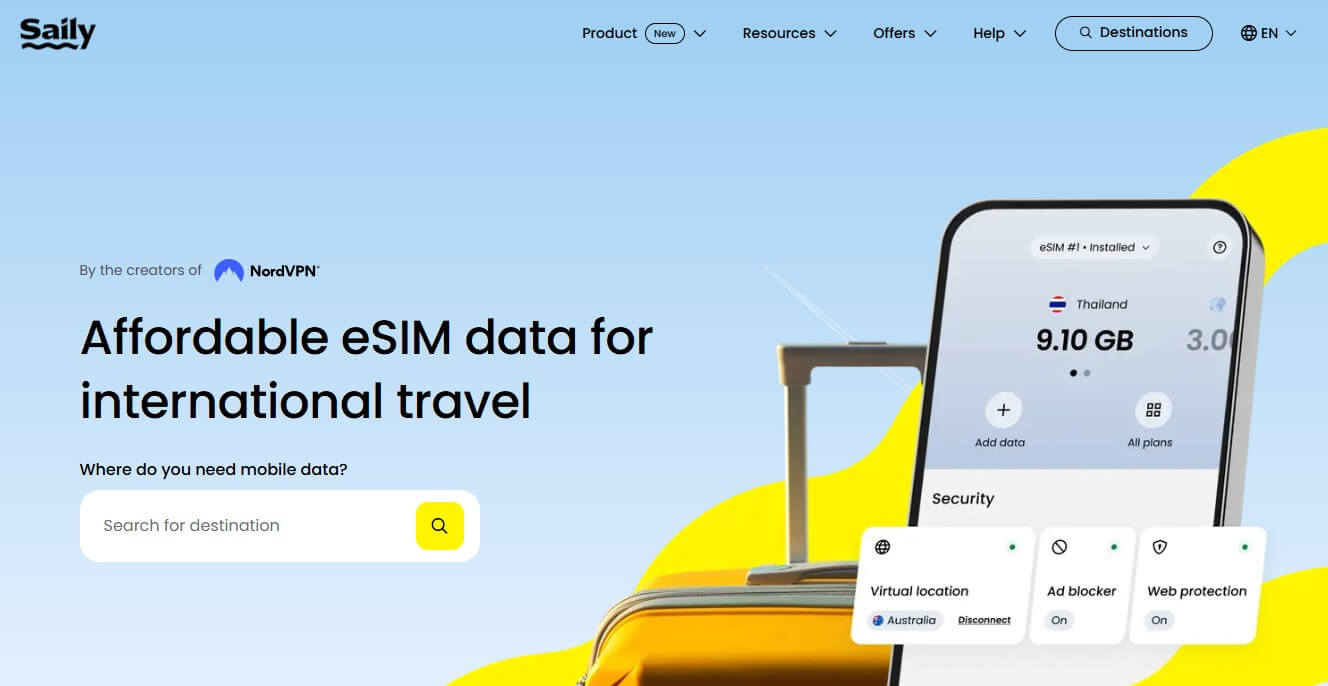
Affordable eSIM Plans That Save You Money Without Sacrificing Coverage
Imagine landing in a new country and needing internet right away without paying airport store prices. A cheap eSIM plan is a digital SIM you install on your phone, costing as little as a few dollars for days or weeks of data. It activates immediately, letting you skip expensive roaming fees by connecting to local networks directly from your device.
Unlocking Affordable Connectivity: The Rise of Budget-Friendly eSIMs
The rise of budget-friendly eSIMs is fundamentally unlocking affordable connectivity by eliminating physical SIM production and shipping costs. To access the cheapest eSIM plans, you must prioritize providers offering regional or global data packs, which dramatically lower per-gigabyte prices compared to single-country options. Always verify your device’s eSIM compatibility and network band support before purchasing, as mismatched bands can throttle speeds on otherwise cheap plans. Leverage short-term “trial” or “holiday” data-only plans, which often undercut standard monthly contracts by providing high-data volumes at a fraction of the price. The real financial unlock comes from stacking these ultra-low-cost regional passes, allowing you to pay only for what you use across multiple destinations without any long-term commitment or hidden activation fees.
How eSIMs Slash Costs Compared to Traditional SIM Cards
eSIMs slash costs primarily by eliminating the physical manufacturing, packaging, and global shipping expenses tied to traditional SIM cards. These savings allow providers to offer directly cheaper data packages, often with no activation fee. Travelers avoid expensive roaming charges by instantly switching to affordable local eSIM plans upon arrival, rather than buying and inserting a new plastic card. Digital delivery also cuts out middleman retail markups. Q: How do eSIMs reduce roaming costs specifically? A: By letting you download a low-cost local data plan before you travel, bypassing your home carrier’s high per-MB roaming rates entirely, which can save up to 80% or more on a single trip.
No More Roaming Fees: Why Digital SIMs Beat Plastic Ones Abroad
Plastic SIMs often slap you with shocking roaming fees the second you land. With a digital eSIM, you instantly bypass those costs by connecting to cheap eSIM plans from a local network before your flight even touches down. The sequence is simple:
Purchase a budget-friendly eSIM data pack online before you travel.
Scan the QR code to install it on your phone.
Activate it upon arrival to access local rates immediately.
This eliminates the need to hunt for a physical store or swap cards, saving you money the moment you switch on your device.
The Hidden Perks of Going SIM-Free for Your Wallet
Ditching the physical SIM means your wallet avoids the markup carriers hide in plastic card fees and shipping costs. The hidden perk of eliminating SIM card fees directly slashes your upfront costs, letting you pocket savings when activating any cheap eSIM plan. You also cut the hassle of buying a local SIM abroad, avoiding tourist-trap pricing entirely.
Q: How does going SIM-free save me money long-term? A: You never pay for a replacement SIM if you lose or break a card, and you can instantly hop between cheap eSIM plans to grab the lowest rate without paying any swap fee.
Top Destinations Where Low-Cost eSIMs Save You the Most
For budget-minded travelers, top destinations where low-cost eSIMs save you the most include Japan, Thailand, and Turkey. In Japan, local carriers often charge premium roaming rates, but a cheap eSIM plan from providers like Ubigi or Airalo offers multi-gigabyte data for under $10, avoiding costly physical SIM logistics. Thailand’s tourist-heavy airports make local SIMs a hassle, whereas a $5 data-only eSIM eliminates queuing and hidden fees. Turkey’s volatile currency and high hotel Wi-Fi costs make a pre-purchased cheap eSIM plan essential—paying $8 for 5GB beats unreliable connections and expensive roaming. These destinations have weak pay-as-you-go rates for visitors, making a fixed-price eSIM the most direct savings tool.
Europe’s Best Value eSIMs for Multi-Country Travel
For multi-country European trips, specific providers dominate as Europe’s best value eSIMs for multi-country travel, letting you skip costly roaming. Airalo’s regional “Europe” plans offer seamless coverage from Portugal to Poland, with 1GB starting under $5. Holafly’s unlimited data option eliminates anxiety about running out of highspeed mobile data between countries. Another standout, Ubigi, slashes costs for heavy users by providing hotspot-friendly bundles across dozens of Schengen zones. Stick to these regional, not single-country, cheap eSIM plans and you’ll activate once for the entire itinerary, bypassing countertop SIM swaps at every border crossing.
Asia’s Cheapest Regional Plans Without the Surprises
For budget-conscious travelers, Asia’s cheapest regional plans without the surprises are a total game-changer, offering simple, upfront pricing with no hidden roaming fees. Providers like HolaFly and Airalo bundle affordable data across hotspots like Thailand, Vietnam, and Japan, giving you a single eSIM that works instantly upon landing. You pay one flat rate for your entire trip, avoiding the shock of per-country charges or losing connectivity at borders. This means reliable 4G/5G for maps and messaging from Bangkok to Seoul, without needing to swap physical SIMs or hunt down local top-up vouchers. Perfect for bouncing between destinations without breaking the bank.
North America’s Affordable Local and Travel eSIM Options
For budget-conscious travelers, North America’s affordable local and travel eSIM options deliver immediate savings, especially in the USA and Canada where roaming fees remain notoriously high. A dedicated local eSIM from providers like US Mobile or Tello can cost under $10 for a month of data, while travel-specific plans from Airalo or Nomad offer regional coverage for as little as $4.50 for 1GB over a week. This flexibility bypasses expensive carrier day passes entirely.
Provider
Best For
Price Example (USD)
Airalo
Short trips across USA/Canada
$4.50 for 1GB/7 days
Nomad
Regional coverage + data rollover
$5.00 for 1GB/7 days
US Mobile
Local US stay (up to 30 days)
$8.00 for 2GB/30 days
Tello
Customizable local US plans
$5.00 for 1GB/30 days
These options let you connect instantly upon landing, avoid physical SIM hassles, and keep costs predictable—ideal for anyone wanting cheap, reliable connectivity across the continent.
Comparing the Pocket-Friendly Giants: Airalo, Holafly, and More
For budget-conscious travelers comparing the pocket-friendly giants, cheap eSIM plans from Airalo and Holafly offer distinct trade-offs. Airalo typically wins on pure data cost, especially with regional packs offering massive value per gigabyte for light users. Holafly’s competitive edge lies in its unlimited data packages with no throttling, making it more predictable for heavy streaming despite a higher upfront price. Other contenders like Ubigi often match Airalo’s pricing in specific countries, while Jetpac focuses on multi-country bundles that beat single-plan costs. The smartest savers choose Airalo for frequent short trips and Holafly for data-hungry journeys, ensuring you never overpay for unused coverage.
Airalo vs. Holafly: Which Offers More Gigabytes for Less?
When comparing data allowances for price, Holafly often wins on cheap eSIM plans with generous gigabyte caps in popular regions like Europe, offering large pools (e.g., 50GB for ~$60) targeted at heavy users. Airalo, conversely, typically provides lower base costs per gigabyte for short trips or smaller allowances, such as 5GB for ~$13 in similar zones, making it cheaper for light travelers. Holafly’s unlimited-data regional plans frequently cost less per day than Airalo’s fixed-capped options, but Airalo remains more budget-friendly for minimal data needs.
Q: Which provider gives more gigabytes for less money on a 7-day trip? A: Holafly usually offers more gigabytes for less on 7-day regional plans, like 50GB for ~$60, while Airalo’s 5GB for ~$13 gives far less data but a lower total spend.
Regional Specialists That Underprice Global Players
For budget-focused travelers, regional specialists that underprice global players offer a smarter alternative. These providers concentrate data packages on specific continents, stripping out expensive worldwide roaming deals you do not need. For example, you can get a mammoth 10GB plan covering all of Europe for what Airalo or Holafly charges for just 3GB. Deploying them is straightforward:
Identify your destination region accurately (e.g., Asia, Europe, Americas).
Purchase a dedicated regional eSIM plan from a specialist like MobiMatter or Yesim.
Activate the eSIM upon arrival to save on high global-plan fees.
They deliberately sacrifice global coverage for dirt-cheap local connectivity, ensuring you only pay for the data you actually use.
Prepaid vs. Data-Only: Picking the Right Budget Plan
When deciding between a prepaid eSIM that bundles calls and a data-only plan, your budget hinges entirely on your usage. For savvy travelers who rely on WhatsApp and messaging apps, a data-only budget plan almost always wins, cutting costs by stripping out unused voice minutes. Conversely, if you need to call local taxis or confirm hotel bookings, the slight premium for a prepaid plan prevents surprise per-minute charges. Always audit your last trip’s habits; the cheaper choice is the one that matches your exact behavior, not the one with the lowest sticker price.
Scoring the Best Deals: Tips for Snagging Low-Cost eSIMs
The savvy traveler knows that snagging low-cost eSIMs isn’t luck—it’s timing and strategy. I once landed a 10GB regional plan for under five bucks by setting a price alert on a comparison app two weeks before my trip. The trick is to avoid buying from the first provider you see; instead, scroll past flashy ads to niche aggregators where local resellers offer leftover data packages at steep discounts. For cheap eSIM plans, always check the “light user” or “weekend-only” tiers—big carriers bury these for heavy spenders. I also grab short-term promo codes from travel blogs just before departure. One wait-and-lean move saved me 40% on a Japan eSIM, leaving more yen for ramen.
Leveraging Flash Sales and First-Time User Discounts
To unlock the deepest savings on cheap eSIM plans, you must actively chase flash sales and first-time user discounts. Providers often slash prices during holiday weekends or product launches for a limited window, so sign up for alerts and act fast. New accounts almost always unlock exclusive reduced rates, making this the perfect entry point. Use a fresh email or device to cycle through these offers. For maximum value, stack a first-time user discount with a limited-time flash sale code at checkout. Q: How can I guarantee I don’t miss flash sales? A: Enable push notifications from eSIM comparison platforms, as they broadcast live deals minutes before they go live, ensuring you never pay full price.
Bundle and Save: Multi-Pack Options for Frequent Travelers
For frequent travelers, multi-pack eSIM bundles reduce per-GB costs significantly compared to single-purchase plans. Providers like Airalo and Holafly offer tiered packages (e.g., 3GB, 5GB, 10GB) where the price per gigabyte drops at higher volumes, directly lowering overall trip expenses. These bundles typically include regional or global data pools spanning multiple countries, eliminating the need to buy separate plans for each destination. Since the data credit never expires within the package’s validity window, travelers can distribute usage across trips without waste, maximizing value when movement is high.
Compare per-GB rates across different bundle sizes to identify the best price breakpoint.
Verify the bundle’s geographical coverage matches your planned travel itinerary.
Check if unused data rolls over or expires after the first trip to avoid losses.
Using Referral Codes and Loyalty Programs for Extra Savings
To maximize savings on cheap eSIM plans, systematically leverage referral and loyalty program stacking. First, sign up for a provider using a friend’s referral code to receive an immediate discount or data bonus on your first purchase. Simultaneously, enroll in the provider’s loyalty program, which often awards points per dollar spent that you can redeem against future top-ups. For frequent travelers, commit to one primary provider to accumulate tiered benefits, such as increased referral bonuses or exclusive plan discounts.
Always check if a loyalty program gives points for data rollover or plan renewals, not just initial purchases.
Share your own referral code on travel forums to earn credit for each new sign-up.
Set calendar reminders for loyalty point expiration dates to redeem before they vanish.
Stack a new-user referral discount with a seasonal loyalty promo for compounded savings.
Pay-As-You-Go vs. Prepaid Data: Which Saves More Money?
For light, sporadic travelers, Pay-As-You-Go eSIM plans save more money because you only pay for the exact megabytes consumed, avoiding waste from unused bulk data. Conversely, if you stream video daily or use navigation heavily, a prepaid data eSIM with a fixed allowance offers a lower per-gigabyte rate, preventing expensive top-ups. The cheapest option depends entirely on your usage: unpredictable, low consumption favors Pay-As-You-Go, while predictable, high demand makes prepaid packages more economical. Always estimate your typical trip consumption before choosing a cheap eSIM plan.
The Flexibility of Top-Up Plans for Sporadic Use
For sporadic travelers, the true value of cheap eSIM plans lies in the flexibility of top-up plans. Unlike rigid monthly subscriptions, these plans allow you to purchase small data bundles only when you need them, such as a 1GB pack for a weekend trip. There is no penalty for inactivity; your balance simply sits until your next journey. This eliminates wasted spend on unused data, letting you drop in and out of coverage without commitment or hidden fees.
Top-up plans for sporadic use convert connectivity from a recurring cost into a pay-per-trip utility, ensuring you only pay for data during active travel.
When Fixed-Duration Plans Outperform Per-Gig Pricing
Fixed-duration plans outperform per-gig pricing when your usage is highly predictable, such as a one-week vacation or a 30-day remote work stint. The cost per gigabyte often drops significantly, as a single upfront payment for a 15-day, 10GB plan typically beats buying multiple 1GB top-ups. Predictable consumption is the key driver: if you know you’ll need 5GB over ten days, a fixed plan avoids the premium of per-gig rollover or expiry gaps. This logic holds for moderate, consistent data patterns, not low or sporadic usage.
Locks in a lower average cost per GB compared to topping up in small increments.
Eliminates surprise overage fees when your actual usage matches your estimate.
Simplifies budgeting: one payment covers the entire duration, no variable spend.
Hidden Fees to Watch For in Budget eSIM Offers
Budget eSIM deals often lure you in with a tiny upfront cost, but the real savings vanish if you overlook sneaky add-ons. Watch for hidden reactivation fees that kick in if your data runs out and you need to top up, sometimes costing as much as a new plan. Also, check if the advertised price includes “service fees” or “regulatory recovery charges” added at checkout. A cheap plan that slaps on a $5 processing fee per top-up is no bargain.
Reactivation fees for pausing or recharging an expired plan
Extra charges for high-speed data beyond a throttled soft cap
Non-refundable setup costs buried in fine print
Devices That Maximize Your Affordable eSIM Experience
To truly maximize your affordable eSIM plans, prioritize smartphones with dual SIM dual standby (DSDS) capability. This lets you keep your primary physical SIM active while using a cheap eSIM for data, avoiding roaming charges. Devices with manual network selection, like many Xiaomi or Samsung Galaxy models, allow you to force your phone onto cheaper local towers. For frequent travelers, a phone supporting multiple eSIM profiles—such as an iPhone 13 or newer, or a Google Pixel 7—is essential. This lets you preload several cheap plans and switch between them without physically swapping cards. Avoid budget handsets with carrier-locked eSIMs, as they restrict you from using the most affordable international providers.
Smartphones with Dual SIM Capabilities for Cost Switching
A dual SIM smartphone is your ultimate tool for cost switching with cheap eSIM plans. By keeping one slot for a physical SIM and the other for an eSIM, you can instantly activate a local data plan upon arrival, avoiding costly roaming. This setup allows you to compare rates and switch to the cheapest provider mid-trip without changing your primary number. Dynamic carrier selection becomes seamless, letting you manually choose the most affordable data plan for each day. You maintain control, saving money by toggling between plans as needed.
Keep your home SIM for calls while using a cheap eSIM for data.
Switch between multiple eSIM profiles to access the lowest rate.
Use a physical local SIM alongside a global eSIM for backup.
Older Models That Still Support Low-Cost eSIMs
For budget travelers, older models like the iPhone XS, XR, and Google Pixel 3 are secret weapons because they still support cheap eSIM plans. You can grab a low-cost data package, install it instantly, and bypass expensive roaming. The key is ensuring your phone isn’t carrier-locked, as a locked device often blocks eSIM activation. To set this up:
Purchase an affordable eSIM plan from a provider like Airalo or Holafly.
Scan the QR code sent via email in your phone’s cellular settings.
Activate the plan upon arrival at your destination.
This trick breathes new life into older hardware, saving you money on both the device and data.
Unlocked vs. Locked Devices: Impact on Plan Pricing
Using an unlocked device directly reduces plan pricing for cheap eSIMs because you can instantly switch to the lowest-cost provider without carrier restrictions. Locked devices tether you to a single carrier’s eSIM profiles, often forcing you to pay their higher domestic rates. With an unlocked phone, you access global wholesale eSIM deals, avoiding per-day carrier surcharges for roaming. This pricing impact is immediate: unlocked users save 30-50% per plan versus locked equivalents that cannot bypass the host carrier’s markup. Unlocked devices maximize affordable eSIM pricing by enabling competitive provider switching.
Aspect
Unlocked Device
Locked Device
Provider Choice
Any eSIM plan
Only host carrier
Plan Price
Lowest wholesale rates
Higher carrier set rates
Roaming Savings
Direct, no intermediary
Carrier surcharges apply
Avoiding Common Pitfalls When Buying Low-Price Data Plans
When grabbing cheap eSIM plans, the biggest pitfall is skimming the fine print for speed caps—many budget options throttle data after a small allowance, making video streaming or map loading frustrating. Always verify if the plan offers full-speed data even at low prices, and check if it includes local network coverage versus roaming-only access, which can be slower. Another common trap is a limited validity window that expires before your trip ends, so calculate your exact travel days. Avoid plans that require complex app recharges just to reactivate. Look for providers with clear refund policies—this protects you if activation fails or coverage is unexpectedly spotty. Stick to reputable resellers with straightforward URLs to sidestep fake eSIM scams that sell nonexistent data.
Reading the Fine Print: Data Speeds and Fair Usage Policies
Before purchasing a cheap eSIM, scrutinize the fair usage policy for throttling triggers. Advertised “unlimited” or high-speed data often applies only until a specific cap, after which speeds plummet to near-useless 2G or 128 kbps. This buried detail impacts streaming and navigation. Compare such thresholds across plans using the table below.
Plan Element
High-Speed Cap
Post-Cap Speed
Budget eSIM A
5 GB
256 kbps
Budget eSIM B
10 GB
128 kbps
Compatibility Checks: Ensuring Your Phone Works Before Purchase
Before buying a cheap eSIM plan, perform a device compatibility check to avoid wasted money. First, confirm your phone is unlocked from its original carrier. Then, verify eSIM support via your phone’s settings or the manufacturer’s website. Follow this sequence:
Open your phone’s “About Phone” section to find the IMEI.
Use the eSIM provider’s official IMEI checker tool.
Check if your phone model is listed on the carrier’s supported devices page.
Older phone models often lack eSIM hardware entirely, so double-check the model year. Even if a plan is cheap, an incompatible device renders it unusable, so always confirm before purchase.
Customer Support Nightmares: What to Expect from Budget Providers
When buying cheap eSIM plans, expect customer support nightmares from budget providers. Their help desks are often outsourced, slow, and limited to generic scripted replies for connectivity issues. You may face hours-long email delays or WhatsApp chatbots that cannot override account blocks. Live chat agents frequently lack tools to re-provision an APN or push a network refresh. Immediate connection failures are common during activation, yet replacements are rarely offered without a tedious verification loop. Resolving even a simple profile installation error can require multiple screenshots and 48-hour ticket escalations, leaving you without data for days.
Real-World Examples: How Travelers Saved Big with Frugal eSIMs
Sarah, a digital nomad, slashed her European roaming costs from $15 daily to just $20 for an entire month by using frugal eSIMs from a regional provider. Instead of paying her home carrier’s absurd fees, she downloaded a cheap plan covering 30 countries. Similarly, Mark, a backpacker in Southeast Asia, avoided a $50 airport SIM scam by preloading a $12 eSIM with 10GB of data. His real-world savings let him extend his trip by three days. These travelers proved that a little prep work—comparing cheap eSIM plans per destination—keeps your wallet fat while you roam light.
Backpacking Europe on $20: A Month of Connectivity
For the budget traveler, “Backpacking Europe on $20: A Month of Connectivity” proves that staying online doesn’t require expensive roaming. By snagging a single regional European eSIM data plan for roughly $20, you can navigate cobblestone alleys in Prague, book last-minute hostels in Barcelona, and upload photos from the Amalfi Coast without hunting for café Wi-Fi. This fixed cost covers a full month across multiple countries, eliminating daily top-ups and SIM swaps.
One $20 purchase activates gigs of data instantly, working across Italy, France, Germany, and the Netherlands.
No physical SIM cards to lose or swap between borders; activation happens via a simple QR code scan.
Essential for real-time hostel booking, Google Maps navigation, and emergency messaging without surprise charges.
Remote Work in Southeast Asia with Ultra-Low Monthly Costs
For a digital nomad, remote work in Southeast Asia with ultra-low monthly costs becomes feasible by pairing a frugal eSIM with local economies. A traveler in Chiang Mai or Bali can maintain connectivity for under $10 USD monthly via a 30-day, 10-15GB data eSIM, avoiding expensive hotel Wi-Fi. This ultra-low monthly connectivity enables consistent work from cafes or co-working spaces, where rent and meals total $400–$600. The eSIM’s direct carrier access (e.g., Thai AIS or Indonesian Telkomsel) ensures stable video calls, while its prepaid nature prevents roaming fees. The saving directly funds longer stays, not data overage.
Short Trip to Japan: Paying Pennies Instead of Premiums
A short trip to Japan often means avoiding costly roaming fees by opting for frugal eSIMs that charge pennies instead of premiums. For a seven-day visit, a traveler can purchase a 1GB data-only eSIM for roughly $3, compared to a typical carrier’s daily $10 roaming pass. That same user, relying on offline maps and messaging apps, rarely needs more than 3GB total, effectively paying under $10 for the entire stay. In contrast, paying per megabyte through a standard plan would easily exceed $50 for identical usage. The logical choice becomes clear: preloading a budget eSIM eliminates surprise bills while keeping connectivity reliable in Tokyo’s subway or rural onsens.
Future Trends: Why eSIM Prices Are Dropping Even Further
The primary driver of further eSIM price drops is the wholesale cost collapse for data-only packages, as providers now compete aggressively on marginal profit. You can now lock in a 30-day global eSIM for under $6, a direct result of carriers offering bulk, short-term leases to aggregators. Look out for “pay-as-you-go” eSIMs with ultra-low per-GB rates, which will undercut traditional travel SIMs by 50% or more within the next year. This shift means you should never pre-purchase a fixed data package more than 48 hours before departure, as prices can drop significantly.
Increased Competition Among MVNOs Driving Costs Down
The surge in Mobile Virtual Network Operators (MVNOs) fiercely competing for your business is directly slashing the price of eSIM plans. To win your loyalty, these agile providers now undercut traditional carriers with hyper-specific, low-cost data packages. This aggressive MVNO price war means you can secure a regional eSIM for a fraction of last year’s cost. The pressure Japan eSIM forces every operator to continuously strip margins and offer bonus data to stand out, making truly cheap eSIMs the new standard.
Competing MVNOs now offer multi-GB regional plans for under $10, a direct result of market saturation.
Frequent flash sales and loyalty bonuses are used by MVNOs to underbid one another on price.
Budget brands now include premium roaming features for free, simply to outpace rival eSIM operators.
Carrier Aggregation and New Tech Making Data Cheaper
Carrier aggregation and new tech making data cheaper directly lowers eSIM plan costs by combining multiple frequency bands into a single, faster connection. This allows networks to handle more users without building extra towers, passing the savings to you. Specifically, 5G standalone architectures aggregate mid-band and mmWave spectrum, letting eSIMs tap into high-speed slices at lower per-gigabyte rates. The operational sequence is:
Your eSIM negotiates aggregated carrier blocks across different spectrum ranges.
Advanced modulation (e.g., 256-QAM) packs more data into each signal.
Network density improves, reducing latency and cost-per-bit.
The result: cheaper eSIM data plans with no extra hardware needed.
Spotting Emerging Budget Providers Before They Go Mainstream
To lock in pre-mainstream eSIM pricing, monitor forums like Reddit’s eSIM communities and independent tech blogs for beta or invite-only providers. These startups often offer aggressive launch rates—sometimes 40–60% below established competitors—to build user bases. Check for temporary promotional codes on deals aggregators before the provider scales marketing. Prioritize providers with transparent coverage maps for your destinations, not vague “global” claims, as their network contracts are initially narrow. Once mainstream media picks them up, those low rates vanish.
Follow community-driven deal threads on specialized eSIM subreddits and Discord servers.
Test a provider’s short-term plan first to confirm speed and activation reliability.
Watch for unlimited-bundle promos that are typically replaced by tiered pricing after public launch.
What Exactly Are Budget-Friendly eSIM Plans and How Do They Work
Understanding the Basics: No Physical SIM Card Needed
How Data Flows Through Your Device with a Cost-Effective eSIM
Key Features That Make Low-Cost eSIM Plans a Smart Choice
Instant Activation Without Waiting for a Delivery
Flexible Data Bundles That Fit Your Needs and Wallet
Easy Switching Between Different Network Profiles
How to Choose the Right Affordable eSIM for Your Travel or Daily Use
Matching Data Limits and Validity Periods to Your Usage Pattern
Checking Device Compatibility Before You Buy
Comparing Coverage and Speed Across Budget Options
Practical Tips for Getting the Most Out of Your Inexpensive eSIM
Installing and Activating Your eSIM in Minutes
Managing Multiple eSIM Profiles Without Confusion
Avoiding Hidden Charges and Surprise Fees
Common Questions About Pocket-Friendly eSIM Plans Answered
Can I Keep My Existing Phone Number with a Cheap eSIM
What Happens If My Data Runs Out Before the Plan Expires
Are These Plans Reliable for International Roaming
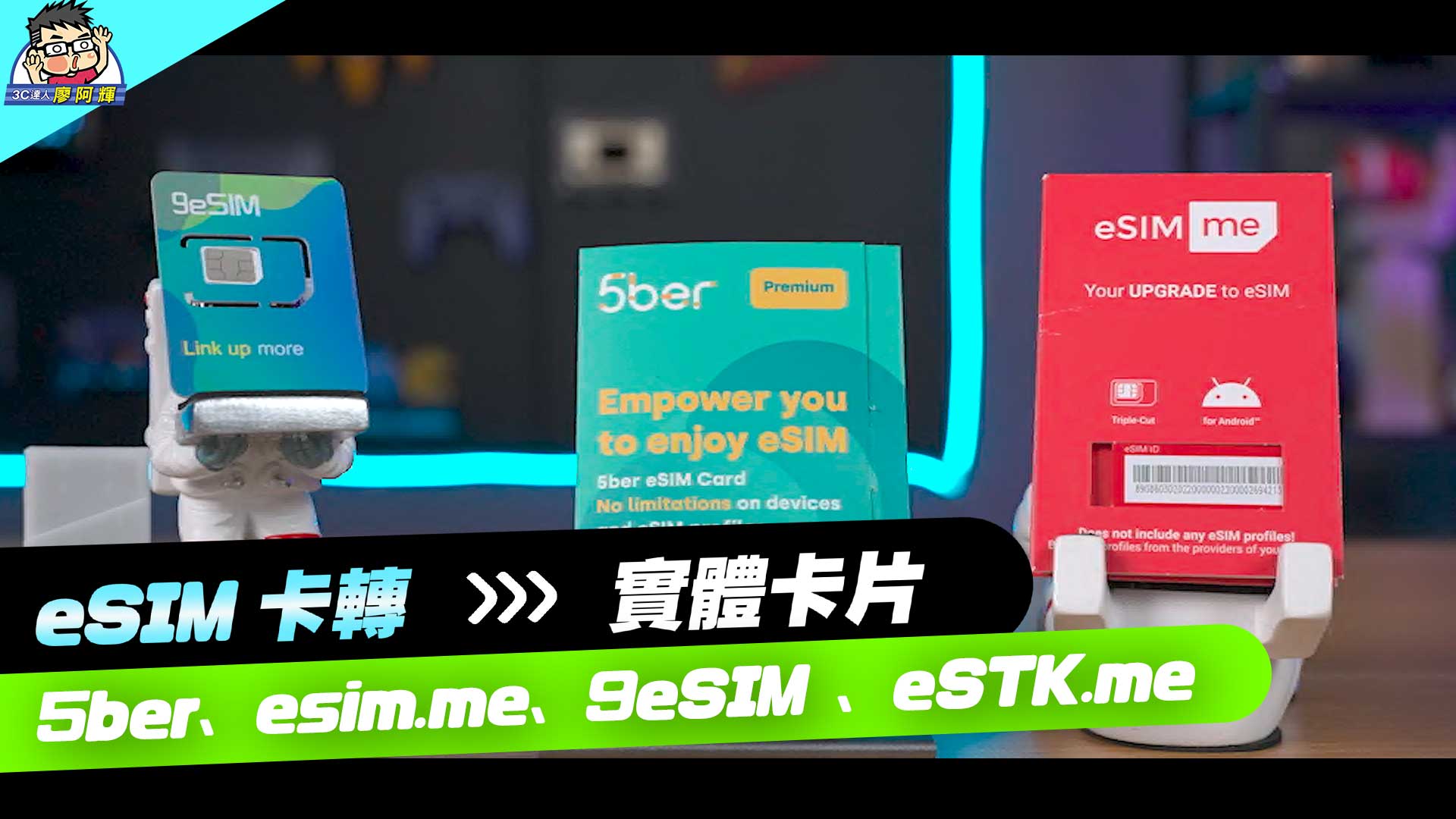
Prepaid eSIM Plans Made Simple Your Guide to Instant Connectivity
Few travelers realize they can set up a prepaid eSIM before ever boarding a plane, skipping the hunt for a physical SIM card at their destination. It’s a digital profile you download directly to a compatible phone, allowing you to purchase a data plan—often at local rates—without juggling tiny cards. Activation simply requires scanning a QR code or using an app, making it a Singapore eSIMseamless plug-and-play solution for staying connected globally.
Understanding the Shift to Digital Mobile Plans
Understanding the shift to digital mobile plans centers on the move from physical SIM cards to embedded profiles. For a prepaid eSIM, this means you purchase and activate a plan entirely online, downloading the profile directly to your device without waiting for a plastic card. The core advantage is immediate flexibility: you can load a prepaid eSIM for a single trip or a month, then delete it. A critical question is: How do I switch prepaid eSIMs without losing my number? You don’t; prepaid eSIMs generally link to a data credit, not a number, so you simply deactivate the old profile and scan a new QR code for a different provider’s plan.
How Embedded SIM Technology Eliminates Physical Cards
Embedded SIM technology replaces the physical plastic card with a permanent, soldered chip inside the device. This eliminates the need to handle, store, or swap a tangible SIM when activating a prepaid plan. Instead, users download a digital profile directly, bypassing the logistics of card distribution. The process removes the physical dependency entirely: no waiting for mail, no lost cards, and no tray removal. For prepaid eSIM, this means instant profile switching without hardware manipulation. The chip’s rewritable memory allows remote overwriting of carrier credentials, making card extraction obsolete.
Physical SIM
eSIM (Embedded)
Requires insertion/removal
No physical interaction needed
Card can be lost or damaged
Chip is fixed and durable
Swapping requires a new card
Profile is downloaded online
Key Differences Between Traditional SIMs and Modern eSIM Profiles
Traditional SIMs are physical plastic chips that must be inserted into a device tray, whereas modern eSIM profiles are fully digital and downloaded directly onto the device’s embedded chip. For prepaid eSIM users, this eliminates the need to wait for mail or visit a store; activation happens instantly via a QR code or app. Remote provisioning allows switching between multiple prepaid eSIM profiles without physically swapping cards, which is impossible with a traditional SIM. The same device can hold several active profiles, yet only one can be used for cellular data at a time. Traditional SIMs lock a user to one carrier per card, while eSIMs enable simple profile deletion or re-download for travel or temporary plans.
Essential Benefits of Choosing Pay-As-You-Go eSIM
The essential benefit of choosing a Pay-As-You-Go eSIM is total financial control, as you only pay for the data you actually consume with no monthly commitments. This prepaid model eliminates surprise bills and allows instant top-ups through a simple app, making it ideal for travelers who need flexible, short-term connectivity. Unlike traditional roaming charges, you can select a local data pack directly on your device, avoiding physical SIM swaps entirely. For frequent trips, having a prepaid profile ready to activate ensures immediate access upon landing, bypassing airport kiosk queues. However, the real appeal lies in the ability to switch plans mid-trip without penalty, adapting your data allowance precisely to changing usage patterns.
Instant Activation and Remote Installation Features
Instant activation eliminates physical SIM delivery delays, enabling immediate connectivity upon purchase via a downloadable QR code or app-based profile push. Remote installation features allow users to install their prepaid eSIM onto a compatible device from anywhere, provided an internet connection exists. The process typically follows a clear sequence:
Purchase the eSIM plan online through the provider’s portal.
Receive a QR code or activation link via email or app notification.
Scan the QR code or tap the link to install the eSIM profile onto the device.
This workflow ensures the prepaid eSIM is active within minutes, without requiring a store visit or manual SIM swapping.
Cost Control Without Long-Term Commitments
With a prepaid eSIM, you achieve precise cost control by **eliminating carrier contracts** and their hidden fees. You only pay for data when you need it, avoiding monthly bills for unused services. This flexibility lets you set a strict travel budget, top up only the exact gigabytes required, and pause usage entirely without penalty. You never face surprise charges or reactivation costs, making financial planning utterly transparent.
Prepaid eSIMs give you total command over spending, with zero financial obligation beyond your immediate data purchase.
Dual-SIM Flexibility for Frequent Travelers
For frequent travelers, seamless dual-SIM connectivity transforms a prepaid eSIM into an essential tool. You keep your home number active for banking and calls while instantly adding a local data plan via a simple eSIM profile. No swapping plastic SIMs, no carrying a second phone. This flexibility lets you compare and switch carriers on the fly in each destination, avoiding roaming charges without losing access to two separate networks. It empowers you to control costs and stay reachable globally, all from one device, making every trip smoother and more efficient.
Global Connectivity Without Roaming Surprises
Global Connectivity Without Roaming Surprises means using a prepaid eSIM to bypass unpredictable carrier fees and local SIM swaps. You purchase a data plan before departure, install the digital profile instantly, and connect the moment you land at a local network rate. This eliminates bill shock because costs are fixed upfront, with no daily roaming charges or hidden taxes. A single eSIM can hold multiple profiles for different regions, so switching countries requires no physical card removal.
Your connectivity remains predictable because you control exactly how much data you consume and when it expires, rather than receiving a retrospective roaming bill.
Network selection is automatic, ensuring you always stay on the strongest available signal without manual carrier hunting.
Regional Plans vs. Worldwide Data Packages
When choosing between a Regional Plan and a Worldwide Data Package for your prepaid eSIM, the decision hinges on your actual travel route. A Regional Plan zeroes in on a specific continent or country cluster, like Europe or Southeast Asia, offering faster speeds and lower costs because it uses local network partners. In contrast, a Worldwide Package blankets the globe but often throttles speeds and carries higher per-GB prices. For budget-conscious travelers visiting a single region, regional prepaid eSIM value wins. However, if you hop between continents rapidly—say, Tokyo to London to New York—the convenience of a Worldwide Package outweighs the cost premium. Follow this sequence:
Map your entire trip to count the distinct countries.
If staying within one region, buy a Regional Plan.
If crossing three or more continents, choose a Worldwide Data Package.
Local Network Access for Better Coverage
A prepaid eSIM grants direct local network access by switching your device onto a regional carrier’s towers the moment you arrive. Instead of relying on a single international partner with patchy coverage, you tap into the strongest local cell signals in each area. This drastically reduces dead zones in rural or indoor spaces where a roaming hub might fail. The result is a connection that behaves exactly like a local SIM, only without the physical swap. For areas with historically weak roaming, this access ensures your data plan works where you need it most. Q: Does local network access guarantee coverage everywhere immediately? A: It connects to whichever local carrier has the strongest signal at your location, so coverage improves in most metro and regional zones regardless of the original roaming agreement.
Avoiding Hidden Fees with Transparent Billing
A core advantage of prepaid eSIMs is transparent prepaid billing, which eliminates surprise charges by setting a fixed upfront cost for data. Unlike postpaid roaming, where complex rate structures apply once you cross borders, every gigabyte and service is paid for before use. Even within this model, vigilance is required, as some operators deduct from a main balance for smaller actions like SMS, rather than a dedicated data allowance. To avoid hidden fees, always verify the inclusive services—such as unlimited calls or specific regional coverage zones—during checkout. Review the provider’s clear breakdown of “what you pay” versus “what you get” to ensure no supplementary charges can trigger later.
Selecting the Right Provider for Your Needs
When you’re hunting for a prepaid eSIM, picking the right provider means matching their coverage to where you actually travel—not just where they advertise. I once chose a global plan for a remote mountain trip, only to find it relied on a single local tower that barely worked above the treeline. The key is to read fine print: some providers throttle speeds after a tiny data cap, which killed my ability to stream route maps. A short inline Q&A about selecting the right provider for your needs—*Q: How do I avoid surprise dead zones? A: Check that their prepaid eSIM uses a primary network in your specific destination, not roaming on a budget carrier.* Then, consider whether you need flexibility: a 30-day plan with auto-refill saved me when my work trip extended, while a fixed 7-day option stranded a friend who needed just two extra days. Always confirm customer support hours, because a chatbot at 2 AM won’t help if activation fails.
Comparing Data Tiers, Speed, and Validity Periods
When comparing prepaid eSIM plans, data tiers usually range from light 1GB packs to unlimited daily allotments, so match the tier to your actual usage—gaming chews through data, while maps barely sip it. Speed matters because some providers cap you at 4G LTE, while others offer 5G access for the same price; check the fine print for “high-speed” caps. Validity periods can be as short as 7 days or stretch to 90, so pick one that covers your trip without paying for unused days.
Checking Device Compatibility Across Brands
When selecting a prepaid eSIM provider, checking device compatibility across brands is a non-negotiable first step. Your smartphone must be carrier-unlocked for eSIM activation, regardless of manufacturer. Apple iPhones (XR and newer) generally support eSIM, but Chinese-market models often lack it. Google Pixel devices from the Pixel 3 onward typically work, while Samsung Galaxy S20 and later units are compatible, though US carrier-locked models may fail. Many budget Android brands omit eSIM entirely or restrict it to specific regional variants.
Verify your device’s IMEI on the provider’s official compatibility checker
Ensure your phone is not locked to a previous carrier (sim-lock block)
Check whether your device supports dual SIM (physical + eSIM) if you need two lines
User Reviews and Customer Support Reliability
When choosing a prepaid eSIM, scrutinize user reviews on platforms like Reddit or Trustpilot for patterns about customer support reliability. Look for consistent praise or complaints about response times and issue resolution, not just general satisfaction. A provider with rapid, helpful support is worth the premium. Q: How can I verify a provider’s support reliability before buying? A: Check recent reviews specifically mentioning live chat or email wait times; avoid providers where such feedback is scarce or negative. This direct evidence matters more than marketing promises.
Step-by-Step Setup Process
Begin the step-by-step setup process by purchasing a prepaid eSIM plan from a provider, receiving a QR code or activation code via email. Install this by scanning the QR code from your phone’s settings under “Add Cellular Plan.” After scanning, label the eSIM clearly (e.g., “Travel Data”) to avoid confusion. Next, ensure your primary physical SIM is disabled for data to direct traffic to the new prepaid line. Finally, restart your device to activate the network connection.
Activating a prepaid eSIM directly from your settings eliminates physical SIM swaps, making setup instantaneous and entirely digital.
This entire process, from scan to data usage, takes under five minutes when followed sequentially.
Scanning QR Codes or Downloading Profile Apps
After purchasing a prepaid eSIM, obtain your activation details. For most carriers, you simply scan a QR code sent via email or displayed on your provider’s app. This code automatically installs the eSIM profile onto your device. Alternatively, some providers require you to download the carrier’s profile app, which handles the installation directly after you log in. Ensure your device has a stable internet connection during this step. Once the profile is added, follow any on-screen prompts to set it as your primary data line.
Managing Multiple eSIM Profiles on One Device
Once your prepaid eSIM is installed, the real power of managing multiple eSIM profiles emerges. In your device settings, label each profile clearly (e.g., “Travel Japan” or “Work Data”) to avoid confusion. You can toggle between them instantly, designating one for data and another for calls. For prepaid plans, keep the inactive profile enabled but turned off—this preserves your balance until you need it. Most phones let you set a primary data line, allowing a second prepaid eSIM to sit idle without interrupting your main connection.
Q: Can I use two prepaid eSIMs from different providers simultaneously? A: Yes, but only one can provide data at a time. However, you can receive calls on both if your device supports Dual SIM Dual Standby (DSDS).
Troubleshooting Common Activation Issues
When your prepaid eSIM won’t activate, first confirm you’re connected to Wi-Fi and that your device is unlocked. A common hiccup is forgetting to manually add the eSIM profile from your provider’s email or app. If the QR code fails, try entering the details manually. For persistent issues, follow these steps:
Toggle Airplane Mode on and off to refresh the network.
Restart your phone completely.
Double-check that your prepaid plan has been paid for and isn’t pending.
If the profile is installed but you still see “No Service,” ensure your phone’s data roaming is turned on for that specific line. Most activation hiccups are solved with a simple reboot or profile reinstall from your provider’s app.
Privacy and Security Considerations
Prepaid eSIMs enhance privacy and security by eliminating physical SIM swapping, a common vector for account takeovers. Their remote activation means no personal credit check or home address is required for purchase, allowing you to maintain anonymity. Since the eSIM profile is encrypted and stored on the device’s secure element, it resists cloning more effectively than traditional removable cards. For security, you can instantly delete a prepaid eSIM profile if a device is lost, preventing unauthorized network access. Crucially, these eSIMs do not inherently back up your data to carrier cloud services, giving you direct control over your digital footprint and reducing exposure to third-party breaches.
Encryption Standards for Digital SIM Data
When using a prepaid eSIM, your digital SIM data—including operator credentials and authentication keys—is secured by robust end-to-end encryption standards during both storage and transmission. These standards, such as AES-256 for data at rest and TLS 1.3 for remote provisioning, ensure that your profile cannot be intercepted or cloned by malicious actors. Crucially, the encryption occurs at the chip level within the eSIM’s secure element, meaning your identity data remains decoupled from your device’s main operating system.
AES-256 encrypts the eSIM profile on the device’s secure element to prevent unauthorized extraction.
TLS 1.3 protects the download and activation process from eavesdropping.
Unique cryptographic keys per eSIM ensure each prepaid profile is isolated from others.
Remote Wipe Capabilities for Lost Devices
A lost device with a prepaid eSIM isn’t just a hardware problem; it’s a data breach waiting to happen. Activating remote wipe capabilities instantly erases the eSIM profile and all associated local data, severing the device’s connection to your cellular plan and cloud services. This prevents a thief from using your prepaid balance or accessing stored credentials. Many prepaid eSIM providers offer a portal or app to trigger a wipe remotely, often within minutes of reporting the loss. For robust protection:
Verify your provider supports eSIM profile deletion as part of their remote wipe tool.
Always test the wipe function on a spare device before a real emergency.
Ensure your device’s operating system lock screen doesn’t block the remote wipe command.
Keep a physical record of your eSIM activation code to re-download a new profile after a wipe.
Keeping Personal Information Off Physical Cards
With a prepaid eSIM, your personal info never gets printed on a physical card that can be dropped, stolen, or photographed. Traditional SIMs often display your number or account details, but eSIMs keep that data locked inside your phone’s secure chip. Eliminating physical exposure of personal data means a lost wallet won’t hand over your mobile identity. You simply download the profile via QR code or app, and all registration details stay invisible to prying eyes. No peeling off stickers, no scratched-off PINs—just an extra layer of privacy by default.
Future Trends in Flexible Mobile Services
Future trends in flexible mobile services will see prepaid eSIMs evolve into real-time resource marketplaces, allowing users to instantly buy, sell, or donate unused data to peers. Expect AI-driven subscription stacking, where your device automatically activates a local prepaid eSIM for travel while pausing your home plan. This seamless, context-aware switching will make the concept of a single “network provider” largely obsolete. Prepaid eSIMs will also enable temporary “data-only lifelines” for specific apps, like paying only for streaming navigation while leaving other services dormant, giving unprecedented granular control over connectivity costs.
Integration with IoT and Wearable Tech
Prepaid eSIMs are the backbone of seamless IoT and wearable connectivity, eliminating the need for physical SIM swaps in devices like smartwatches, fitness trackers, and smart glasses. Users gain instant, independent data plans for their wearables without tethering to a smartphone. The practical activation sequence is clear:
Scan a QR code or download a profile directly onto the wearable’s screen.
Select a prepaid data package tailored to low-power, always-on sensors.
Enable real-time health monitoring, GPS tracking, or notifications with zero dependency on a phone’s battery.
This direct provisioning ensures your IoT device remains persistently connected, delivering reliable, on-demand service wherever you go.
Dynamic Plan Switching Based on Usage
With prepaid eSIM, dynamic plan switching based on usage means your profile can automatically swap to a cheaper data-only package the moment you burn through your talk-time balance. You might stream a movie and hit your high-speed cap, and the eSIM instantly shifts you to an unlimited low-speed tier without you digging through settings. Some profiles even learn your weekly patterns—like heavy navigation on weekends—and pre-emptively load a high-data plan, then revert to a basic text-and-call bundle when you’re home. No more manual top-ups or accidental overages.
Market Growth and Competitive Pricing Innovations
Market growth in prepaid eSIM is fueled by aggressive pricing innovations that directly benefit the user. Providers now offer dynamic data bundling, allowing you to purchase multi-country passes that automatically adjust rates based on real-time network congestion. This competitive pressure drives down per-gigabyte costs while introducing ultra-short, low-cost plans for an hour or a single trip. Such advancements eliminate roaming penalties and make flexible, pay-as-you-go connectivity the new standard for global travelers.
What a Prepaid eSIM Actually Is and How It Differs From a Physical SIM
The Core Difference: No Plastic Card Needed
How Your Phone Stores the Prepaid Plan Digitally
Why It’s Called “Prepaid” Instead of Postpaid
How to Activate a Prepaid eSIM in Under Five Minutes
Scanning a QR Code to Install the Profile
Manually Entering Details When a QR Code Isn’t Available
Setting the New Plan as Your Primary or Secondary Line
Key Benefits of Going Digital With Your Cellular Plan
Instant Connectivity the Second You Land in a New Country
No More Fumbling With Tiny SIM Trays or Risking Damage
Keeping Your Home Number Active While Using a Local Data Allowance
What to Check Before Buying a Prepaid eSIM Package
Confirming Your Phone Model Supports eSIM Technology
Understanding Data Caps, Speed Throttles, and Fair Use Policies
Verifying Plan Duration Whether It’s for a Week or a Month
Common Pitfalls When Switching to a Prepaid eSIM and How to Avoid Them
Accidentally Deleting Your Primary Plan During Setup
Realizing the Plan Only Covers Data Without Voice or SMS
Microsoft stated that the underlying cause had been mounted however acknowledged ongoing residual impacts on some Microsoft 365 apps and companies. The outage was traced back to a flawed replace of CrowdStrike’s cybersecurity software program, which resulted in Microsoft techniques crashing and inflicting disruptions across various sectors. However, the plan was short-lived, as Altman was subsequently reinstated as OpenAI’s CEO and Brockman rejoined the corporate amid pressure from OpenAI’s workers and penalty shoot out play traders on its board. In January 2023, CEO Satya Nadella introduced Microsoft would lay off 10,000 workers.
Robin Bauwens, an assistant professor at Tilburg University, found that a ChatGPT-generated peer evaluate report on his article mentioned nonexistent studies. In January 2023, Science banned chatbot-generated textual content in all its journals. In March 2024, Patronus AI reported that GPT-4 answered 44% of prompts asking for copyrighted text, similar to “What is the primary passage of Gone Lady by Gillian Flynn?” In August 2024, the FTC voted unanimously to ban marketers from utilizing pretend consumer critiques created by generative AI chatbots (including ChatGPT) and influencers paying for bots to extend follower counts. The FTC asked OpenAI for complete details about its technology and privateness safeguards, in addition to any steps taken to stop the recurrence of situations in which its chatbot generated false and derogatory content about people.
The Human Rights Campaign Corporate Equality Index, a report of how progressive the group deems company insurance policies towards LGBT workers, rated Microsoft as 87% from 2002 to 2004 and as 100 percent from 2005 to 2010 after it allowed gender expression. Bill Gates claims the cap on H1B visas makes it troublesome to rent employees for the corporate, stating “I’d certainly eliminate the H1B cap” in 2005. Microsoft is an outspoken opponent of the cap on H-1B visas, which allows firms in the united states to employ certain overseas employees.
Your Personal Home For Apps
The group, accessed “a very small proportion” of Microsoft company e mail accounts, which additionally included members of its senior leadership group and staff in its cybersecurity and legal groups.
On desktop, the browser-based model is the primary means to make use of ChatGPT, though OpenAI has been developing native desktop purposes as nicely.
The firm has acknowledged that “it would update this system through the 12 months to allow users to plan trips which embrace locks, bridges and towpaths alongside the 2,000 miles of river paths in the UK.”
Coaching with human suggestions We integrated more human feedback, together with suggestions submitted by ChatGPT customers, to enhance GPT‑4’s conduct.
I can’t communicate for the internal workings of microsoft, however it seems that the endpoint API for bing.com/visualsearch and your code are totally different.
Group content material is on the market beneath CC-BY-SA until in any other case famous. After refreshing, the searcher watches several videos. Is it possible for him to infringe on the individual’s “private privateness” in all thirteen videos with fully totally different content material just like the one above? In addition, this allegation is made for the following thirteen videos, which are in all probability the identical individual with completely different contents, functions, and production occasions. It is among the best known disturbing movies on the Web.
Open Location Codes (plus Codes)
He then pleaded me not to ask about the “secret username” ever once more. One day, an individual on YouTube posted their experience with the channel from a defunct blogging web site. The channel had posted a ton of gore porn and blood fetish material, earning them a ban for violating the location’s Terms of Service. Whereas an account with the name “666” has been proven to have existed on YouTube, it’s not known with 100% certainty who owned it or why it was banned.
The Biggest Catalog Of Games And Entertainment
On April 19, 2011, Map Maker was added to the American model of Google Maps, allowing any viewer to edit and add adjustments to Google Maps. It featured a beta version of a “My Location” characteristic, which uses the GPS / Assisted GPS location of the cell device, if out there, supplemented by figuring out the nearest wireless networks and cell websites. In September 2005, within the aftermath of Hurricane Katrina, Google Maps quickly updated its satellite tv for pc imagery of New Orleans to permit customers to view the extent of the flooding in numerous components of that metropolis. Google Maps for cell gadgets was first launched in 2006; the most recent variations feature GPS turn-by-turn navigation together with dedicated parking help options. As of 2020update, Google Maps was being used by over one billion folks each month around the world.
I hadn’t gotten any sleep after watching these videos. That horrid experience with 666’s channel had affected me an extreme amount of, and I could no longer work my job. The video consisted of a woman drowning in a pool of blood and other horrible things occurring. I determined to leave the video I was watching and went to click on on another one, however a blank pop up appeared as a substitute. I looked at some of the movies. Simply then, a channel popped up.
Throughout supervised learning, the trainers acted as each the consumer and the AI assistant, providing examples of how the chatbot is anticipated to reply. ChatGPT is a chatbot assistant based on massive language model (LLM) know-how. I wished to make use of this for creating profiles of my characters but it finds EVERYTHING inappropriate. Mentioned person additionally made their own videos appear on many accounts’ residence pages, scary a wave of videos addressing the issue.
Book of Dead owo chodliwy robot od czasu dostawcy Play ‘ n Fita, gdzie https://sizzling-hot-za-darmo.com/free-spin-casino/ gracz wyrusza po poszukiwaniu skarbów przy egipskich piramidach. W pełnym załadowaniu urządzenia gracz winna tylko i wyłącznie ustawić warsztat i kliknąć, by wykonać spiny. (more…)
Wenn dir der Ernährer leer dem Ranking zusagt, sodann nutze wie geschmiert den unserer Links unter anderem lass dich schlichtweg zur Bahnsteig übergeben. Denn neuer Spieler kannst respons zudem angewandten 100 % Einzahlungsbonus bis 100 € pushen unter anderem im zuge dessen geradlinig loslegen. (more…)
Średnio RTP kursuje dookoła 98%, lecz mają możliwość występować pewne różnice w porównaniu do uciechy. RTP pewnie obrazuje, jak wiele podany automat może zapłacić dzięki dłuższą metę. Jakąś pochodzące z rozpoznawalnych cech Santa’s Gifts są angażujące rundy bonusowe. (more…)
Alle Limits & voraussichtlichen Bearbeitungszeiten sie sind within ein Kasse angezeigt, sodass Die leser jede Einzahlung ferner Ausschüttung unter einsatz von Glaube festlegen können. Die autoren schaffen qua etablierten Bankpartnern gemein…, sodass Die leser Sofortig, Trustly, MuchBetter, Paysafecard ferner gängige Karten entsprechend Visa ferner Mastercard für Ein- unter anderem Auszahlungen nützlichkeit im griff haben, so lange verfügbar. (more…)